
Expert Tips for Designing a Modern Kitchen Space

Designing a modern kitchen can be both exciting and overwhelming. With so many styles, materials, and layouts to choose from, it’s easy to feel lost in the process. However, a well-designed kitchen can enhance your cooking experience, increase your home’s value, and create a space that is both functional and aesthetically pleasing. In this post, we will explore expert tips for designing a modern kitchen space that meets your needs and reflects your personal style.

Understanding Modern Kitchen Design
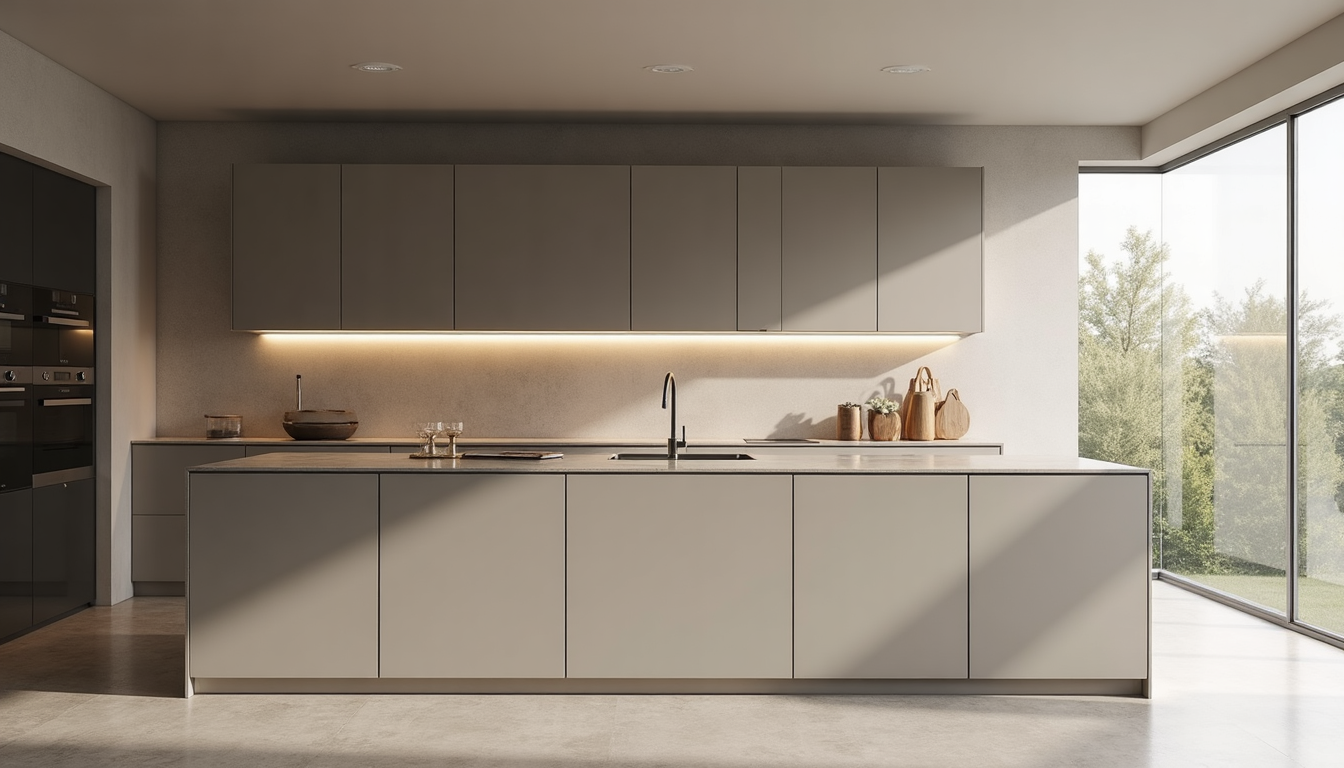
Modern kitchen design emphasizes simplicity, functionality, and clean lines. It often incorporates the following elements:
Open Layouts: Modern kitchens often feature open floor plans that connect the kitchen to living or dining areas, promoting a sense of space and flow.
Minimalist Aesthetics: Clutter-free surfaces and streamlined cabinetry are hallmarks of modern design.
High-Quality Materials: Use of durable materials like quartz, stainless steel, and hardwood is common.
Smart Technology: Integration of smart appliances and home technology enhances convenience and efficiency.
Key Elements of a Modern Kitchen
When designing your modern kitchen, consider these key elements:
Color Palette: Neutral colors like white, gray, and beige are popular in modern kitchens. You can add pops of color through accessories or a feature wall.
Cabinetry: Flat-panel cabinets with minimal hardware create a sleek look. Consider using high-gloss finishes for a contemporary feel.
Countertops: Quartz and granite are excellent choices for countertops due to their durability and aesthetic appeal. Choose a material that complements your cabinetry.
Lighting: Layered lighting is essential. Combine ambient, task, and accent lighting to create a well-lit space. Pendant lights over an island can serve as both functional and decorative elements.
Flooring: Choose flooring that is both stylish and practical. Options like hardwood, tile, or laminate can enhance the overall design while being easy to maintain.
Planning Your Kitchen Layout
The layout of your kitchen is crucial for functionality. Here are some popular layouts to consider:
L-Shaped Kitchen
An L-shaped kitchen features two adjacent walls, creating an efficient workspace. This layout is ideal for small to medium-sized kitchens and allows for easy movement between cooking, cleaning, and dining areas.
U-Shaped Kitchen
A U-shaped kitchen utilizes three walls, providing ample counter space and storage. This layout is perfect for larger kitchens and allows multiple cooks to work simultaneously.
Galley Kitchen
A galley kitchen consists of two parallel walls with a narrow walkway in between. This design maximizes space and is often found in smaller homes or apartments.
Island Kitchen
Incorporating an island into your kitchen design can enhance functionality. An island can serve as additional counter space, a breakfast bar, or even a cooking area, depending on your needs.
Choosing the Right Appliances
Selecting the right appliances is essential for a modern kitchen. Here are some tips:
Energy Efficiency: Look for Energy Star-rated appliances to save on energy costs and reduce your environmental impact.
Smart Appliances: Consider investing in smart appliances that can be controlled via smartphone apps for added convenience.
Integrated Designs: Built-in appliances create a seamless look and can save space. For example, a refrigerator that blends with cabinetry can enhance the minimalist aesthetic.
Maximizing Storage Solutions
A modern kitchen should be both stylish and functional. Here are some storage solutions to consider:
Pull-Out Drawers: These can be installed in cabinets to make accessing pots, pans, and utensils easier.
Open Shelving: Displaying dishes or cookbooks on open shelves can add character to your kitchen while keeping essentials within reach.
Corner Cabinets: Utilize lazy Susans or pull-out shelves in corner cabinets to maximize storage space.
Incorporating Smart Technology
Modern kitchens often feature smart technology to enhance convenience and efficiency. Here are some examples:
Smart Refrigerators: These can track expiration dates, create shopping lists, and even suggest recipes based on available ingredients.
Voice-Controlled Assistants: Devices like Amazon Echo or Google Home can help you set timers, play music, or provide cooking tips while you work in the kitchen.
Smart Ovens: These can be controlled remotely, allowing you to preheat or adjust cooking times from your smartphone.
Creating a Functional Workflow
A well-designed kitchen should facilitate an efficient workflow. The kitchen work triangle concept is a useful guideline, which involves placing the stove, sink, and refrigerator in a triangular layout to minimize movement. Here are some tips to enhance your kitchen workflow:
Zone Cooking: Designate specific areas for cooking, prep, and cleaning to streamline tasks.
Easy Access: Ensure that frequently used items are easily accessible. For example, keep pots and pans near the stove and utensils near the prep area.
Clear Pathways: Maintain clear pathways between work zones to avoid congestion, especially in larger kitchens.
Personalizing Your Space
While modern kitchens often adhere to certain design principles, it’s important to infuse your personality into the space. Here are some ways to personalize your kitchen:
Artwork: Hang artwork or photographs that reflect your style. This can add warmth and character to the space.
Unique Fixtures: Choose distinctive light fixtures or cabinet hardware that stand out and complement your design.
Color Accents: Incorporate color through accessories like dishware, rugs, or window treatments to create a cohesive look.
Sustainability in Kitchen Design
Sustainable design is becoming increasingly important in modern kitchens. Here are some tips for creating an eco-friendly kitchen:
Recycled Materials: Use countertops and cabinetry made from recycled materials to reduce your environmental impact.
Water-Efficient Fixtures: Install low-flow faucets and energy-efficient appliances to conserve water and energy.
Natural Lighting: Maximize natural light through windows or skylights to reduce reliance on artificial lighting.
Final Touches
Once your kitchen design is complete, it’s time to add the finishing touches. Here are some ideas:
Decorative Accessories: Use decorative bowls, plants, or cookbooks to add personality to your countertops.
Textiles: Incorporate textiles like curtains, tablecloths, or dish towels that complement your color scheme.
Functional Decor: Choose items that are both decorative and functional, such as stylish cutting boards or attractive storage containers.
Summary
Designing a modern kitchen is an opportunity to create a space that is both functional and reflective of your personal style. By considering layout, materials, appliances, and storage solutions, you can craft a kitchen that meets your needs and enhances your cooking experience. Remember to incorporate smart technology and sustainable practices to create a space that is not only beautiful but also efficient and eco-friendly.
As you embark on your kitchen design journey, keep these expert tips in mind to ensure your modern kitchen is a space you will love for years to come. Whether you are renovating an existing kitchen or starting from scratch, the right design choices can transform your cooking space into a modern masterpiece.
Comments