
Top Kitchen Design Trends to Elevate Your Home

The kitchen is often considered the heart of the home, a space where culinary creativity flourishes and family memories are made. As we move into a new era of home design, it's essential to stay updated on the latest trends that can transform your kitchen into a stylish and functional space. In this blog post, we will explore the top kitchen design trends that can elevate your home, making it not just a place for cooking but also a hub for socializing and relaxation.

Embracing Minimalism
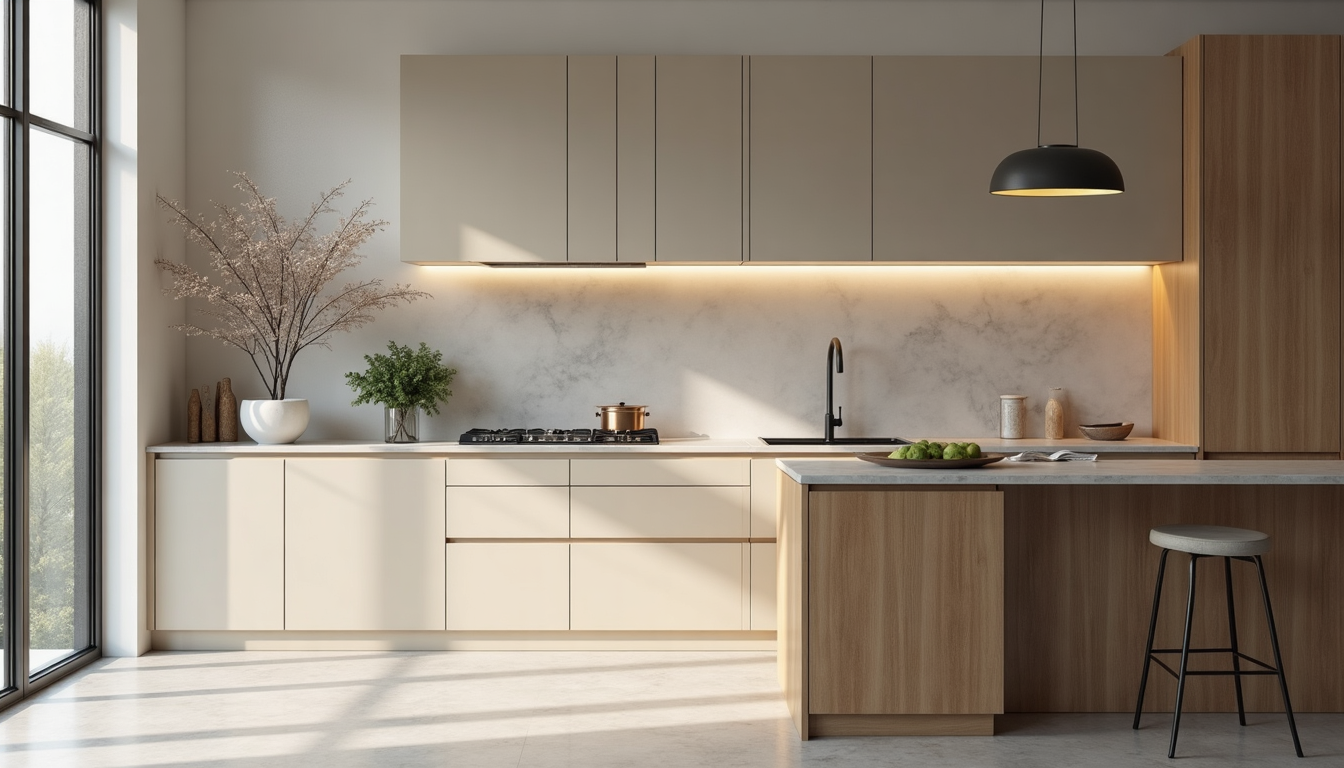
Minimalism continues to dominate kitchen design, focusing on simplicity and functionality. This trend emphasizes clean lines, uncluttered spaces, and a neutral color palette. Here are some key elements of minimalist kitchen design:
Sleek cabinetry: Opt for handle-less cabinets that create a seamless look. Matte finishes in shades like white, gray, or black can enhance the minimalist aesthetic.
Open shelving: Instead of traditional upper cabinets, consider open shelving to display beautiful dishware or cookbooks. This not only saves space but also adds a personal touch to your kitchen.
Integrated appliances: Built-in appliances help maintain a clean look. Choose appliances that blend with your cabinetry for a cohesive design.
By adopting a minimalist approach, you can create a kitchen that feels spacious and inviting.
Bold Colors and Textures
While minimalism is on the rise, bold colors and textures are making a comeback. Homeowners are increasingly willing to experiment with vibrant hues and unique materials to add personality to their kitchens. Here’s how to incorporate this trend:
Accent walls: Paint one wall in a bold color or use patterned wallpaper to create a focal point. Deep blues, rich greens, and warm terracotta are popular choices.
Textured surfaces: Incorporate materials like reclaimed wood, textured tiles, or stone to add depth and interest. A textured backsplash can serve as a stunning visual element.
Colorful cabinetry: Instead of the traditional white or wood finishes, consider painting your cabinets in a bold color. This can instantly transform the look of your kitchen.
By blending bold colors and textures, you can create a kitchen that reflects your unique style.
Smart Technology Integration
As technology continues to advance, smart kitchens are becoming increasingly popular. Homeowners are looking for ways to integrate technology into their kitchen design for convenience and efficiency. Here are some smart technology trends to consider:
Smart appliances: Invest in appliances that can be controlled via smartphone apps. From refrigerators that can track your grocery inventory to ovens that can be preheated remotely, smart appliances make cooking easier.
Voice-activated assistants: Incorporate voice-activated devices that can help with cooking instructions, timers, and even grocery lists. This hands-free technology can streamline your kitchen experience.
Smart lighting: Use smart lighting systems that can be adjusted based on your needs. Dim the lights for a cozy dinner or brighten them for meal prep with just a voice command or a tap on your phone.
Integrating smart technology into your kitchen can enhance functionality and make daily tasks more manageable.
Sustainable Design Choices
Sustainability is a growing concern for many homeowners, and the kitchen is no exception. Eco-friendly design choices not only benefit the environment but can also create a healthier living space. Here are some sustainable trends to consider:
Recycled materials: Use countertops made from recycled glass or reclaimed wood for cabinetry. These materials reduce waste and add character to your kitchen.
Energy-efficient appliances: Invest in ENERGY STAR-rated appliances that consume less energy and water. This not only lowers your utility bills but also reduces your carbon footprint.
Water-saving fixtures: Install low-flow faucets and water-efficient dishwashers to conserve water without sacrificing performance.
By making sustainable design choices, you can create a kitchen that is both stylish and environmentally friendly.
Open Concept Layouts
Open concept layouts have become a staple in modern home design, and kitchens are no exception. This trend promotes a seamless flow between the kitchen, dining, and living areas, making it ideal for entertaining. Here are some tips for achieving an open concept kitchen:
Remove barriers: If possible, eliminate walls that separate the kitchen from adjacent spaces. This creates a more spacious feel and encourages interaction.
Use islands as dividers: A large kitchen island can serve as a natural divider between the kitchen and living areas while providing additional seating and workspace.
Consistent design elements: Use similar materials and colors throughout the open space to create a cohesive look. This helps the areas feel connected rather than disjointed.
An open concept kitchen not only enhances the flow of your home but also fosters a sense of togetherness.
Vintage and Retro Influences
Nostalgia is a powerful design element, and many homeowners are embracing vintage and retro influences in their kitchens. This trend adds character and charm to modern spaces. Here’s how to incorporate vintage elements into your kitchen design:
Retro appliances: Consider investing in retro-style appliances that combine modern technology with vintage aesthetics. Brands like Smeg offer colorful refrigerators that can serve as statement pieces.
Classic patterns: Use vintage-inspired tiles or wallpaper with classic patterns like checkerboards or florals to evoke a sense of nostalgia.
Antique accents: Incorporate antique or vintage furniture pieces, such as a farmhouse table or a vintage hutch, to add warmth and personality to your kitchen.
By blending vintage and retro influences with modern design, you can create a kitchen that feels both timeless and fresh.
Multifunctional Spaces
As homes become more compact, the need for multifunctional spaces is on the rise. Kitchens are evolving to serve multiple purposes beyond cooking. Here are some ideas for creating a multifunctional kitchen:
Dining and workspace: Design your kitchen to accommodate both dining and workspaces. A large island can serve as a dining table, while also providing a space for homework or remote work.
Flexible furniture: Use furniture that can be easily moved or reconfigured, such as stools that can be tucked away when not in use. This allows for flexibility in how the space is utilized.
Integrated storage: Incorporate storage solutions that keep the kitchen organized while serving multiple functions. For example, a bench with built-in storage can provide seating and a place to store kitchen essentials.
Creating a multifunctional kitchen can maximize space and enhance the overall usability of your home.
Conclusion
The kitchen is more than just a place to prepare meals; it is a space for connection, creativity, and comfort. By embracing the latest design trends, you can elevate your kitchen into a stylish and functional area that reflects your personality and meets your needs. Whether you choose to adopt a minimalist approach, incorporate bold colors, or integrate smart technology, the possibilities are endless.
Take the time to explore these trends and consider how they can be applied to your kitchen. Remember, the goal is to create a space that not only looks great but also enhances your daily life. So, roll up your sleeves, get inspired, and start transforming your kitchen into the heart of your home.
Comments